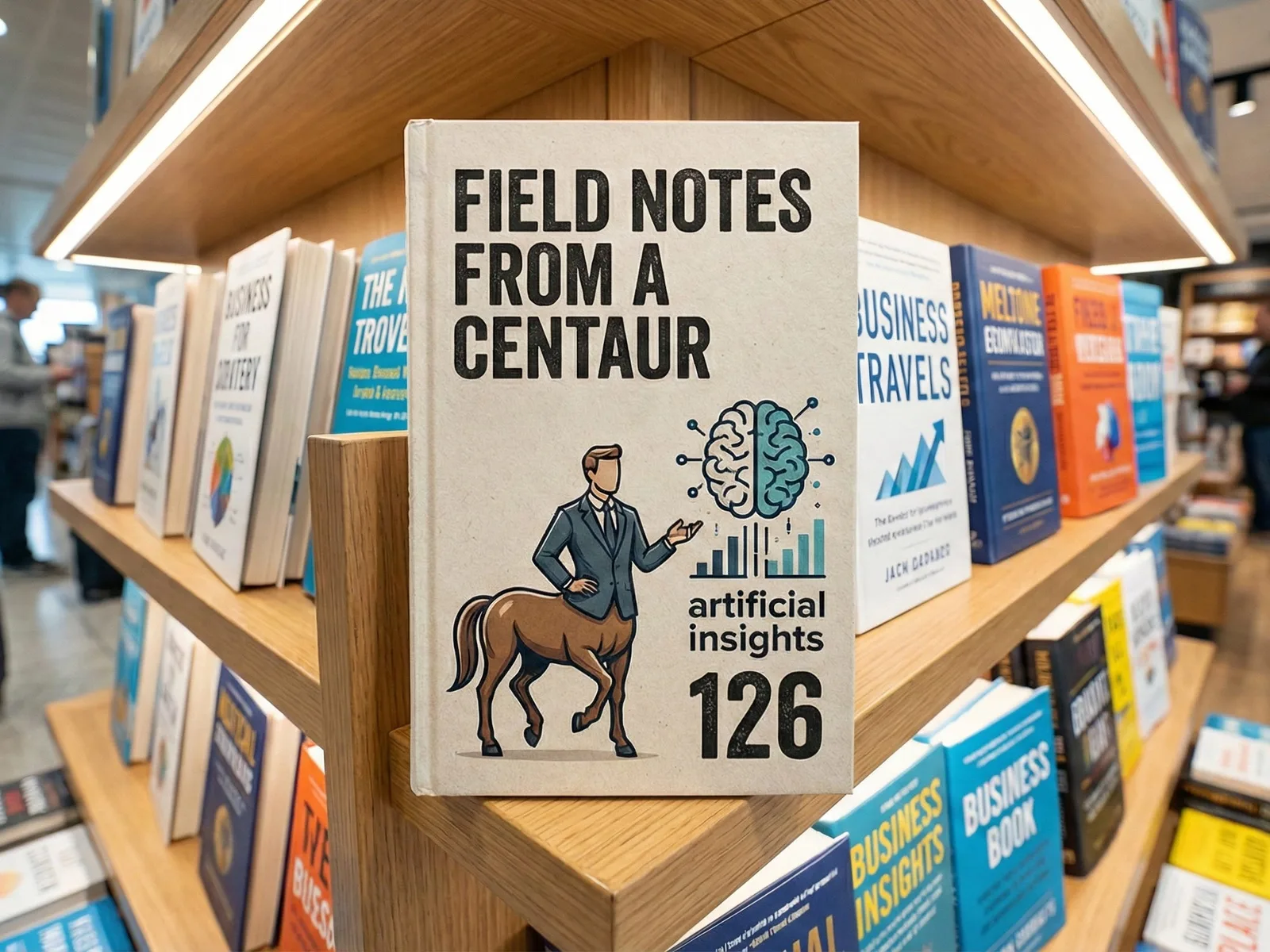
Code became free. Code is no longer an obstacle. If I don't open it, you will.
That is my answer whenever someone asks why Bipe is open source. Last week a friend who is helping with the project asked it the way I hear it most in Brazil. If the code is open, is it safe? Couldn't someone copy it? Shouldn't we hide something?
No. Every piece of code is open now. You have to presume it is.
Opening code is a matter of time and patience
There is a skill for Claude now called Reverse Engineer Anything. Nintendo released the Ocarina of Time remake for the Switch 2 on 5 November. Within days it was booting on a jailbroken PlayStation 5 and an iPhone, and AI-assisted recompilations followed the same week. Why? Because a bunch of people now know how to use AI to take things apart.
There is a developer who keeps showing up in my feed, Ayo, who takes apart the apps we all know, TikTok, Tinder, Candy Crush. He decompiles the app and has AI read it. Inside TikTok he found on-device models that guess your age, your gender, your mood and how attractive you are. He pulled them out so you can try them in your browser. The app reads your motion sensors too, so it knows what you are doing while you scroll, and all of it feeds the algorithm. Fabio Akita did the same with TikTok and Gov.br.
With a bit of Claude you can see the source code of anything. You need a little patience and a little credit.
Last month one developer rebuilt open source versions of Photoshop, Premiere and Lightroom with AI, in Rust. Is PhotoCraft as good as Photoshop? No. Adobe knows this and has been preparing for years. But it exists, and it is MIT licensed.
It's pointless to try to lock down source code anymore. Opening it is one prompt away. And I love that.
Closing it is the risky choice
If I close Bipe and say no, I don't want to, that is exactly when people will grab the Mac app, the iPhone app, the Android app, and decompile them until they find the code. Then they find the flaw that lets them fake someone else's CPF. Those things will be found either way.
So for a company that is very small and very fragile right now, which is what Bipe is, and Envisioning too, the best strategy is to be open source. You open with that. If someone wants to get past every protection we built, they should come work with us. It's all on GitHub.
A messenger has one more reason. Bipe runs on Matrix, an open protocol, and its app started as a copy of Element, an open source Matrix client. Anyone can build a Matrix app, the same way anyone can build an email app. So the app had to be open. I opened almost everything, and the code went public in October. Starlings publishes its source too.
The code is not the moat
I replicated WhatsApp in days. Anyone with Claude can replicate WhatsApp in days. That is no protection.
What matters is reach, the network effect, convincing people to use it, partnerships, relationships with other institutions. All of that is worth much more than the code. The code is only how we get it onto people's phones. It's software. It's not an NGO, it's not a car factory.
For the first time, having the better software is no longer a moat. The power dynamics are at least being questioned. The game is now who you can attract: what kind of funding, what kind of users, what kind of resources. If you are Adobe or Microsoft, that is scary. I am enjoying it.
The conversation changed completely. It's no use anymore wanting to own software, or to own a process.
Cool, go ahead
Anyone can take our code and run their own Bipe. Cool, go ahead. They will have to call it something else. And it will be very hard to do all the things I did.
Not because of Bipe. I have been programming with AI for three years, and before that I spent my whole life programming with people. Do this, do that. Programming with people is one skill. Programming with AI is another.
Then there is repertoire. When you share a link on WhatsApp, it shows a preview image. Making those images is a chore. The system has to talk to the design system and decide what shows, how, and when. For a normal company that takes a week, two, three, four. I already had it, because I built it for Storylines the month before. That is one of about fifty things I took off my own shelf: ten from Storylines, ten from another app, more from this site. Those savings only exist once you have done the work before.
Read it yourself
So the code itself has very little value, compared with being able to tell anyone: read it, and see for yourself if it's good. If it isn't, send suggestions.
Because in the end, code isn't property. It isn't valuable.